
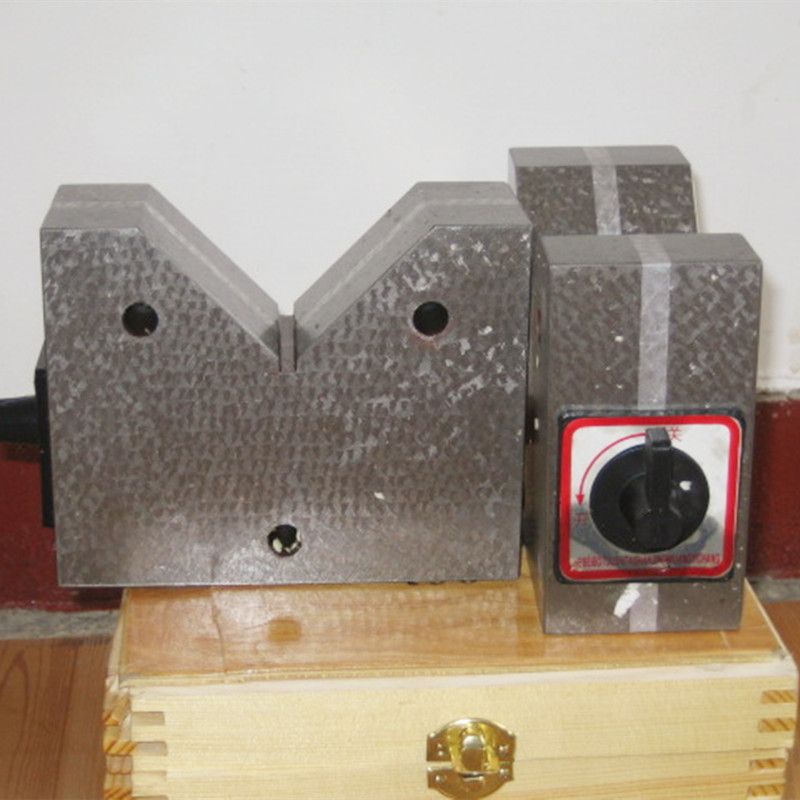
small bathroom mirrors
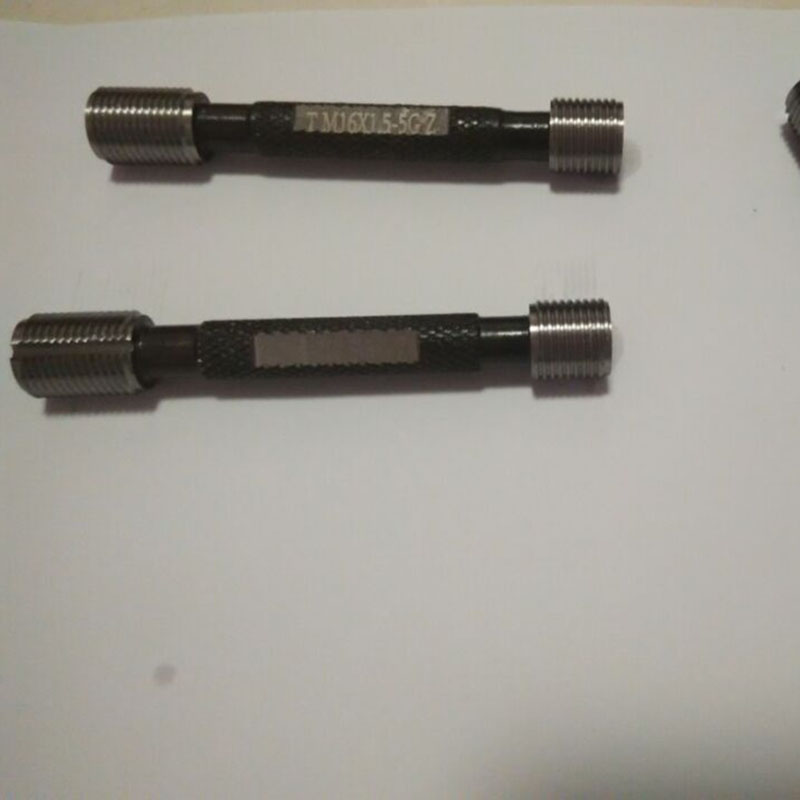
Understanding Spline Gauge Design A Comprehensive Overview Spline gauges are essential tools in the field of engineering and manufacturing, particularly in the design and analysis of mechanical components that require precision measurements. These specialized measurement tools are used to evaluate the integrity of splines—key components that connect rotating parts in machinery, such as gears, axles, and other mechanical assemblies. In this article, we will explore the significance of spline gauge design, its applications, and the methodologies involved in creating effective and accurate gauges. What are Splines? Before delving into the design of spline gauges, it is important to understand what splines are. A spline is a mechanical connection that consists of multiple equally spaced grooves or keys that fit into a corresponding set of grooves on a mating part. These interlocking features allow for torque transmission while providing alignment between rotating members. Splines are widely used in automotive applications, aerospace components, and various industrial machinery, making accurate measurement critical. Importance of Spline Gauge Design The design of spline gauges is integral to ensuring the quality and reliability of spline connections. Precision in the manufacturing process directly impacts the performance, longevity, and safety of the mechanical assembly. Inadequate or poorly designed splines can lead to joint failure, increased wear, and even catastrophic machinery breakdowns. Therefore, spline gauges serve a crucial role in quality control, enabling manufacturers to ascertain that components meet specifications and function correctly within their intended applications. Key Aspects of Spline Gauge Design 1. Measurement Type Spline gauges can take various forms, including fixed gauges, adjustable gauges, and electronic measurement systems. Each type has its own advantages and use cases. Fixed gauges are often used for quick inspections, while adjustable gauges provide flexibility for measuring different spline sizes. spline gauge design 2. Precision and Tolerance Designing a spline gauge requires a deep understanding of the tolerances associated with the specific spline profile. Tolerances define acceptable limits for dimensional variations, and gauges must be calibrated to detect deviations within these specifications. 3. Material Selection The choice of material for constructing spline gauges is paramount. Hard, wear-resistant materials such as carbide or high-speed steel are often chosen to withstand repetitive use and maintain measurement accuracy over time. 4. Ergonomics and Usability The design process also takes into account the ergonomics of the gauge. It should be user-friendly, allowing operators to perform measurements with ease and efficiency. Consideration for handle design, weight distribution, and visibility can significantly enhance the user experience. 5. Calibration and Maintenance Regular calibration of spline gauges is essential for ensuring ongoing measurement accuracy. The gauge design should facilitate easy access for calibration and maintenance, promoting longevity and reliability in the measurement process. Applications of Spline Gauges Spline gauges are utilized in numerous applications across various industries. In the automotive field, they assess the spline fit of drive shafts and transmission systems. Aerospace engineers rely on spline gauges when designing components for aircraft, ensuring that parts such as turbine assemblies meet stringent safety and performance standards. Additionally, industrial machinery manufacturers use spline gauges to evaluate components like couplings and camshafts, reinforcing the critical role these gauges play in various sectors. Conclusion In conclusion, spline gauge design is an intricate yet essential aspect of modern engineering and manufacturing. These precision instruments help ensure the seamless operation of mechanical assemblies by guaranteeing accurate measurements of spline dimensions. By focusing on key design aspects such as measurement type, precision, material selection, and user ergonomics, engineers can create effective spline gauges that significantly contribute to quality control and reliability in various applications. As industries continue to evolve, the importance of accurate measurement tools like spline gauges will only grow, underscoring the need for ongoing innovation in their design and development.
about
small bathroom mirrors
Understanding Non-Return Valve Types A Comprehensive Guide In the world of fluid dynamics and control systems, valves play a crucial role in ensuring the proper flow of liquids and gases. Among these, non-return valves—widely known as check valves—are essential components that prevent backflow, ensuring fluids flow in only one direction. This article aims to explore the different types of non-return valves, their functionalities, and applications. What is a Non-Return Valve? A non-return valve is a type of valve that automatically prevents the reverse flow of fluid. It functions based on differential pressure, with the valve opening when the fluid flows in one direction and closing when the flow reverses. This characteristic is crucial in various applications, including water supply systems, sewage systems, and industrial processing. Types of Non-Return Valves There are several types of non-return valves, each designed for specific applications and operating conditions. Here are some of the most common types 1. Swing Check Valve Swing check valves use a hinged disc that swings open to allow fluid to pass and swings shut to prevent backflow. They are often used in horizontal pipelines and are best suited for high-flow systems. However, they may require a certain amount of fluid pressure to completely close. 2. Lift Check Valve In contrast to swing check valves, lift check valves feature a disk that moves vertically inside the valve body. The fluid pressure acts on the disk, lifting it to allow flow . When the pressure drops or reverses, the disk falls back into its seat, preventing backflow. These valves are ideal for vertical installations or applications that require quick response times. non return valve types 3. Ball Check Valve Ball check valves utilize a spherical ball that moves within a cylindrical chamber. The ball is lifted off its seat by the flow of the fluid, allowing passage. When the direction of flow reverses, the ball falls back onto its seat, sealing off the flow. These valves are compact and can handle various fluid types, making them suitable for both water and chemical applications. 4. Dual Plate Check Valve This type features two plates that open to allow fluid flow. As the flow stops or reverses, the plates quickly close, minimizing backflow. Dual plate check valves are compact and lightweight, making them ideal for high-pressure applications and environments where space is a constraint. 5. Spring-Loaded Check Valve Also known as a spring check valve, this type utilizes a spring mechanism to hold the valve in a closed position until the pressure from the incoming fluid is sufficient to open it. As a result, these valves provide enhanced sealing capabilities and are suitable for applications where precise control is necessary. Applications of Non-Return Valves Non-return valves are employed in numerous industries and applications, including - Water and Wastewater Treatment Preventing the backflow of contaminated water into clean water supplies is critical for public health. - HVAC Systems Ensuring that heated or cooled air does not flow backward in ventilation systems. - Pumping Systems Protecting pumps from damage caused by backflow, which could lead to increased wear and tear or pump failure. - Industrial Processes Non-return valves are commonly used in pipelines for chemicals and other fluids, safeguarding systems from backpressure and contamination. Conclusion In conclusion, non-return valves are vital components in various fluid systems, providing safety, efficiency, and reliability. With several types available, choosing the right non-return valve for a specific application depends on factors such as pressure requirements, fluid types, and installation conditions. Understanding these different types and their uses can significantly enhance system performance and longevity, making a well-informed selection critical in design and operational phases.
-

High quality industrial productsagement

High quality industrial products
View Details -

Meet the diverse needs of customers

Meet the diverse needs of customers
View Details -

Strict quality control

Strict quality control
View Details -

Top raw materials

Top raw materials
View Details -

Trusted supplier

Trusted supplier
View Details
Our application


news and information
Water Pressure Regulation Valve for Efficient Flow Management and System Stability
Understanding Water Pressure Control Valves Water pressure control valves are essential components i

which way turn water valve off
How to Turn Off a Water Valve A Step-by-Step Guide Understanding how to turn off a water valve is an
v block design
Exploring the V-Block Design A Revolutionary Approach in Architecture In the ever-evolving landscape
 English